
📞 Tel:+86-750-3857665
Email:sales@enpowertec.com
Email:sales@enpowertec.com
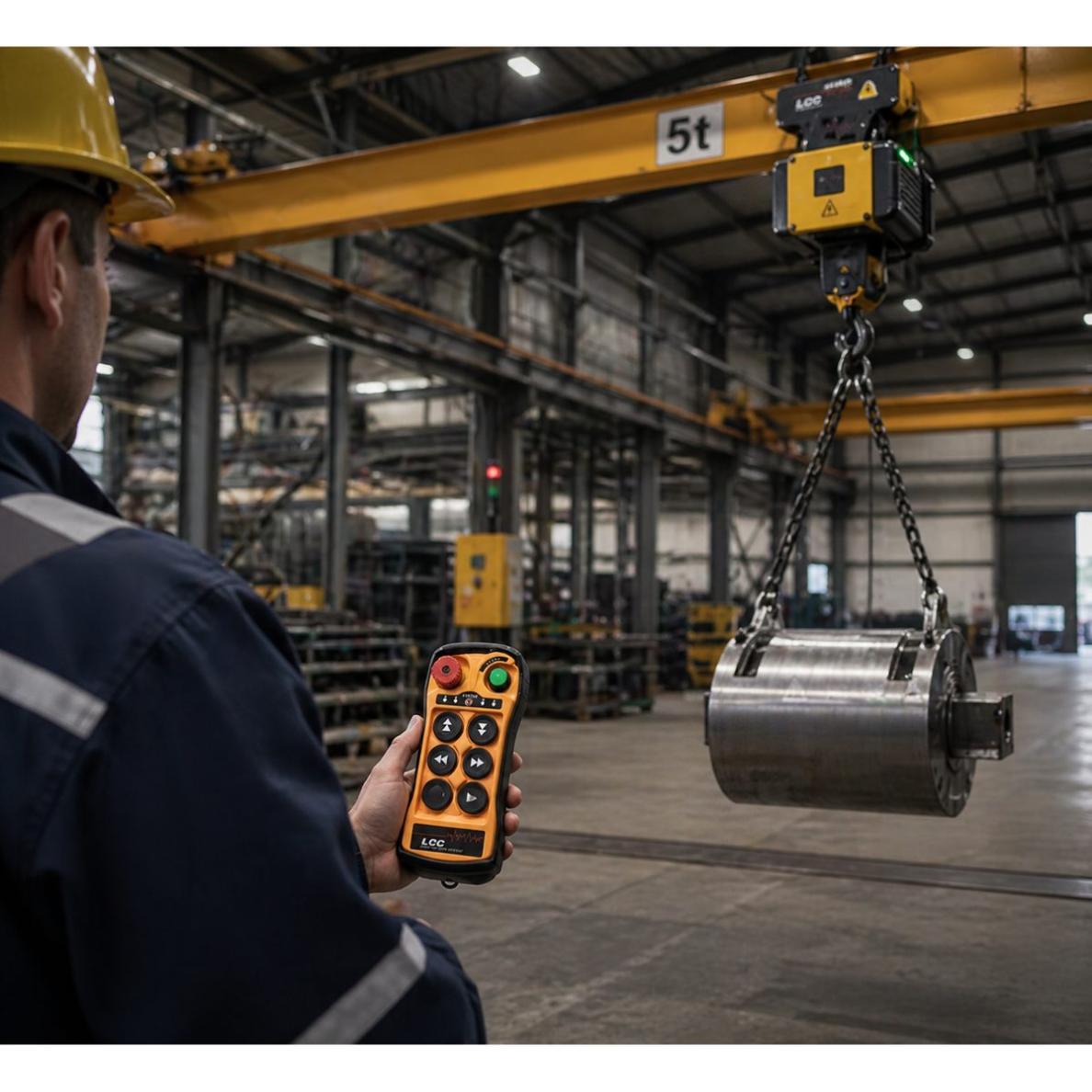
Crane remote control batteries play an important role in the safe and reliable operation of industrial equipment. Whether used in overhead cranes, mobile cranes, concrete pumps, forestry machinery, or material handling systems, a reliable battery helps ensure continuous communication between the operator and the machine.
However, improper charging, unsuitable storage conditions, and daily wear can shorten battery life and lead to unexpected power failures. For equipment operators, maintenance teams, and industrial battery distributors, understanding how to maintain a crane remote control battery can help reduce replacement costs and improve operational efficiency.
In this guide, we will share practical tips on how to extend the service life of crane remote control batteries and maintain reliable performance in demanding industrial environments.
Battery maintenance starts with choosing the correct battery for your equipment. A battery that does not meet the remote control's electrical and physical requirements may result in poor performance, charging problems, or equipment downtime.
Before purchasing a replacement crane remote control battery, check the following specifications:
Ensure the battery voltage matches the original battery and the equipment manufacturer's requirements.
Choose a suitable capacity based on operating time and equipment requirements.
Confirm whether the remote control uses Ni-MH, Ni-Cd, or Li-ion batteries.
Check the dimensions, terminal configuration, and compatibility with the original charger.
Consider appropriate protection against short circuits, overcurrent, and temperature-related risks where applicable.
Using the correct charger is one of the most important ways to extend crane remote control battery life.
Different battery chemistries require different charging methods. A charger designed for a Ni-MH battery may not be suitable for a Li-ion battery, even if the battery packs look similar.
To maintain battery performance:
Use a charger specifically designed for the battery chemistry and model.
Follow the manufacturer's recommended charging procedure.
Avoid using damaged chargers, cables, or charging contacts.
Keep the charger and battery contacts clean and dry.
Disconnect the battery after charging when required by the manufacturer's instructions.
Repeated charging under unsuitable conditions or allowing a battery to discharge excessively can contribute to premature aging.
For Li-ion crane remote control batteries, avoid deep discharge and recharge the battery before it remains empty for an extended period. Follow the manufacturer's charging recommendations rather than deliberately draining the battery before every recharge.
For Ni-MH batteries, use a compatible charger with an appropriate charging termination method. Avoid leaving the battery on a charger indefinitely unless the manufacturer explicitly permits that charging arrangement.
A practical maintenance routine should include:
Checking the battery level before starting work.
Recharging the battery according to its chemistry and operating requirements.
Avoiding repeated complete discharge whenever possible.
Removing damaged, swollen, leaking, or unusually hot batteries from service.
Industrial crane remote controls are often used in outdoor environments, factories, construction sites, and warehouses. However, extreme temperatures and unsuitable storage conditions can accelerate battery degradation.
For better battery preservation:
Store batteries in a cool, dry, and well-ventilated location.
Keep batteries away from direct sunlight, heaters, and other heat sources.
Avoid leaving batteries inside vehicles or equipment exposed to extreme temperatures.
Protect battery terminals from moisture, dust, and metal objects.
Follow the manufacturer's recommended storage charge and inspection schedule.
If a crane remote control will not be used for an extended period, prepare the battery for storage according to its chemistry. Li-ion batteries generally should not be stored fully discharged, while Ni-MH batteries have different self-discharge characteristics and maintenance requirements.
Dirty, corroded, or damaged contacts can increase electrical resistance and interrupt power delivery. In industrial environments, dust, moisture, grease, and repeated battery installation can affect the connection between the battery and remote control.
To maintain reliable electrical contact:
Temperature has a significant impact on rechargeable battery performance and service life.
High temperatures can accelerate battery aging, while low temperatures can temporarily reduce available capacity and cause shorter operating times. The effects vary depending on whether the battery uses Li-ion, Ni-MH, or another chemistry.
To protect crane remote control batteries:
Avoid charging batteries outside their specified temperature range.
Keep batteries away from hot machinery and direct sunlight whenever possible.
Follow the battery manufacturer's operating temperature limits.
Allow a battery to return to an approved temperature range before charging if required.
Investigate unusual heating during charging or operation.
Regular inspection helps identify battery problems before they cause unexpected equipment downtime.
A battery may need attention if you notice:
Significantly shorter operating time after a full charge.
Frequent low-battery warnings.
Unexpected power interruptions.
Unusual heating during charging or use.
Cracked housing, leakage, swelling, or damaged terminals.
Charging failures or a battery that no longer fits securely.
Keep a simple maintenance record that includes charging behavior, operating time, inspection results, and replacement dates. For companies managing multiple crane remote controls, these records can help identify recurring problems and plan replacement purchases more effectively.
Different crane remote control systems use different battery chemistries. Understanding their characteristics can help businesses select suitable batteries and establish appropriate maintenance procedures.
| Battery type | Key characteristics | Maintenance considerations |
|---|---|---|
| Ni-MH | Rechargeable and widely used in industrial remote controls | Use a compatible charger and follow the recommended charging and storage procedures. |
| Ni-Cd | Found in some older industrial equipment | Follow the manufacturer's charging instructions and applicable battery disposal requirements. |
| Li-ion | High energy density and generally low self-discharge | Avoid excessive discharge, use a compatible charger, and follow temperature and storage requirements. |
There is no single battery type that is best for every crane remote control. The correct choice depends on the original equipment specifications, required operating time, working environment, charging system, and replacement requirements.
Even with proper maintenance, rechargeable batteries gradually lose capacity through normal use and aging. Choosing a reliable supplier can help businesses obtain compatible replacements and maintain consistent equipment performance.
When evaluating a crane remote control battery manufacturer, consider the following:
Can the supplier provide batteries for your specific remote control model?
Does the manufacturer have experience producing industrial battery packs?
Are battery assembly, inspection, and testing procedures clearly defined?
Can the supplier develop battery solutions based on specified voltage, capacity, dimensions, and connector requirements?
Can the supplier help verify compatibility and recommend suitable charging equipment?
Are warranty terms and replacement procedures clearly explained?
Extending the life of a crane remote control battery does not require complicated maintenance. Choosing a compatible battery, using the correct charger, avoiding unsuitable charging and storage conditions, keeping contacts clean, and inspecting performance regularly can all help improve battery longevity.
However, battery life also depends on chemistry, operating conditions, charging frequency, and product quality. Following the manufacturer's recommendations is the best way to maintain reliable performance and determine when a replacement is necessary.
At Enpower Technology, we specialize in industrial battery solutions, including replacement batteries for crane remote controls and other industrial applications. We support customers seeking battery packs with suitable specifications, reliable performance, and compatibility with their equipment.
Battery life varies according to battery chemistry, usage frequency, charging habits, operating temperature, and storage conditions. Actual service life should be assessed against the battery manufacturer's specifications and real-world operating performance.
This depends on the battery chemistry, charger design, and manufacturer's instructions. Do not assume that every battery and charger combination is suitable for unattended or extended charging.
Possible causes include normal battery aging, unsuitable storage conditions, extreme temperatures, an incompatible charger, dirty contacts, or an incorrect replacement battery. Inspect the battery and charging system to identify the cause.
Not generally. Li-ion batteries should not routinely be fully discharged, and Ni-MH batteries should be maintained according to their own charging instructions. Follow the recommendations for the specific battery chemistry.
Check the original battery model, voltage, capacity, chemistry, dimensions, connector configuration, and charger compatibility. If the specifications are unclear, consult the remote control manufacturer or a qualified battery supplier before ordering.

Enpower integrates R&D, production and quality testing in-house, supporting custom battery solutions for worldwide buyers.