
📞 Tel:+86-750-3857665
Email:sales@enpowertec.com
Email:sales@enpowertec.com
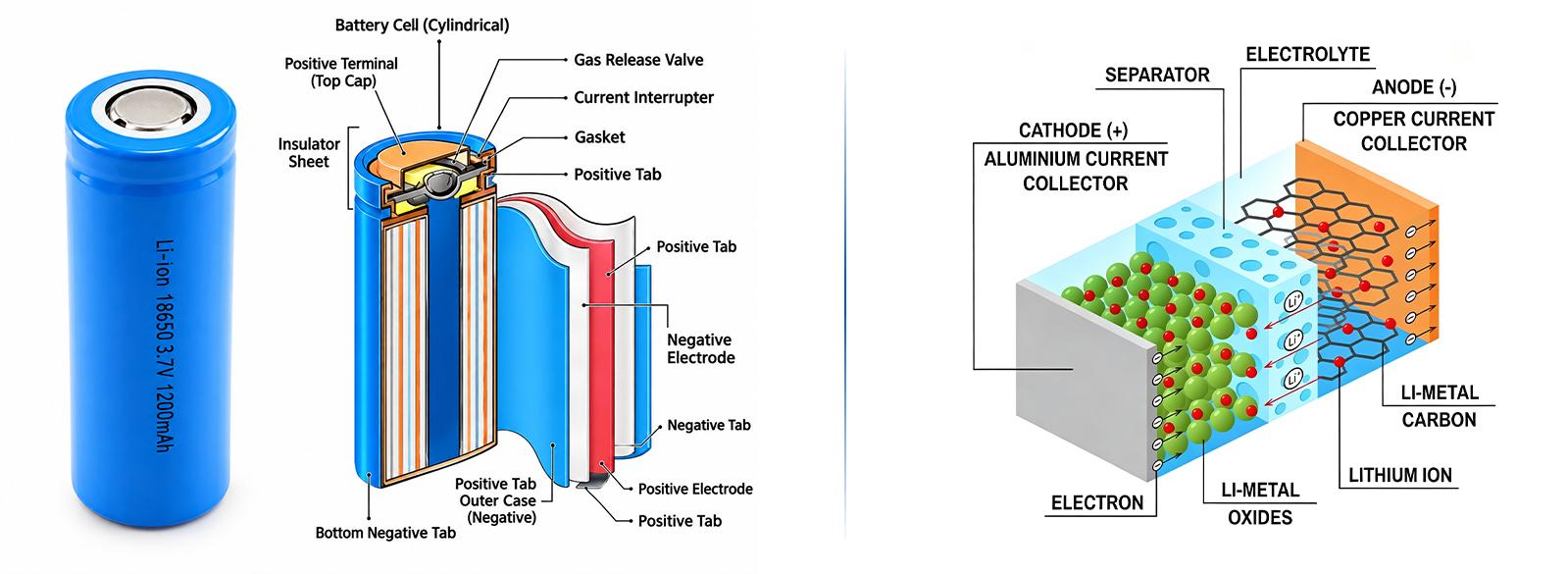
Industrial lithium battery packs power some of the most demanding equipment in the field — two‑way radios for security and construction crews, remote controllers for overhead cranes, and cordless power tools on assembly lines. Despite their robust design, how long a pack lasts is largely decided by how it is used, charged and stored after it leaves the factory.
Used and maintained correctly, a premium Li‑ion pack can deliver hundreds of additional charge cycles, which directly translates into lower replacement costs and less operational downtime. To help you protect your investment, Enpowertec shares four simple but essential maintenance tips.
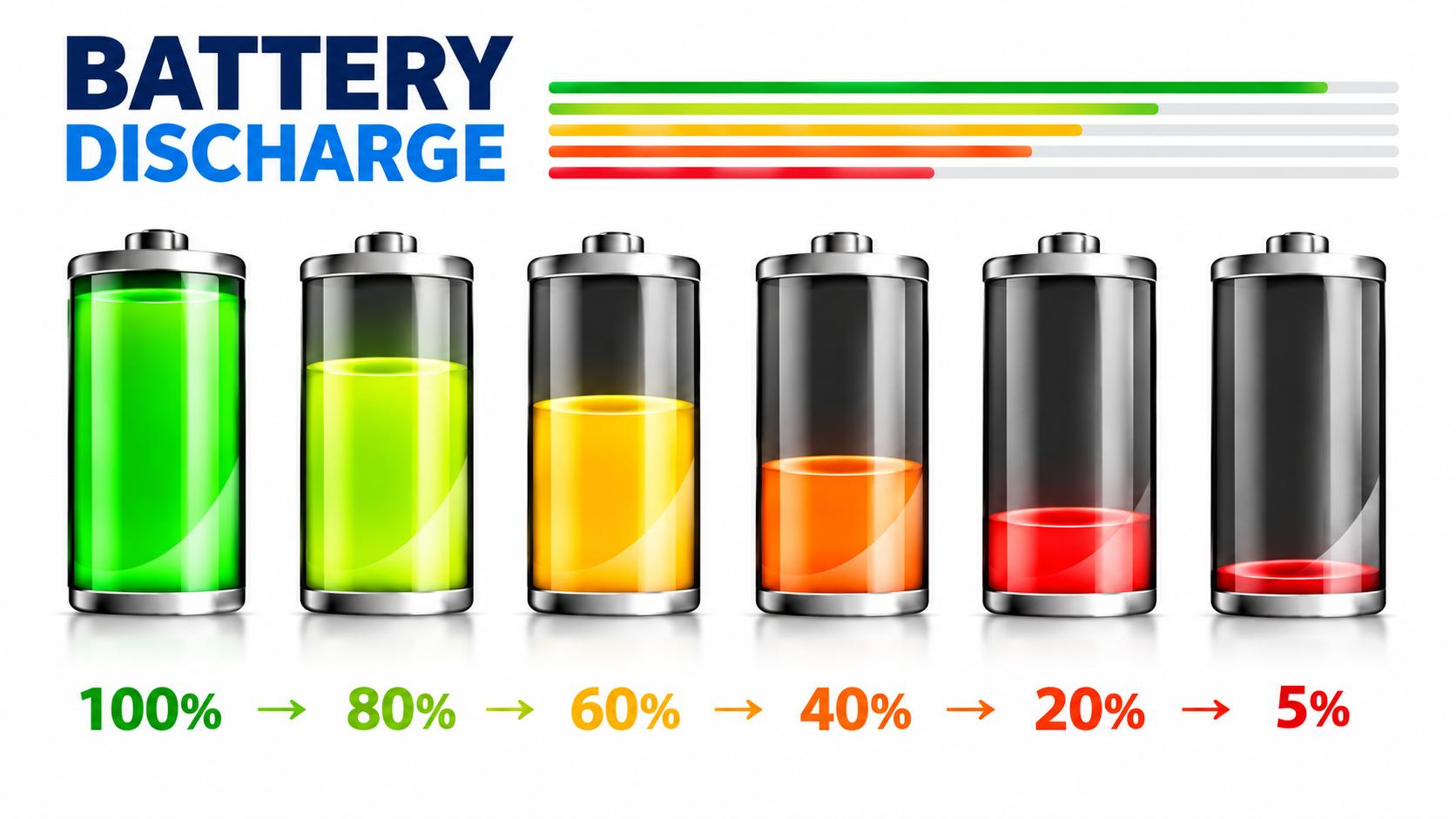
Lithium‑ion cells age faster when they are drained to empty. Repeated deep discharge places stress on the cell chemistry and accelerates capacity fade, shortening the total number of usable cycles. As a rule of thumb, recharge the pack when it drops to roughly 20–30% of remaining capacity instead of waiting until the device powers off. Also, never store a fully discharged pack for an extended period — a resting cell can slip into an over‑discharged state that may cause permanent, irreversible damage.

Temperature is one of the strongest influences on battery longevity. High heat speeds up the chemical reactions that degrade electrodes and electrolyte, while extreme cold can temporarily reduce usable capacity and, in some cases, cause permanent loss. For storage, keep packs in a clean, dry location at 10–25 °C (50–77 °F). Never leave batteries inside a hot vehicle cabin, next to radiators or heaters, or in direct sunlight.
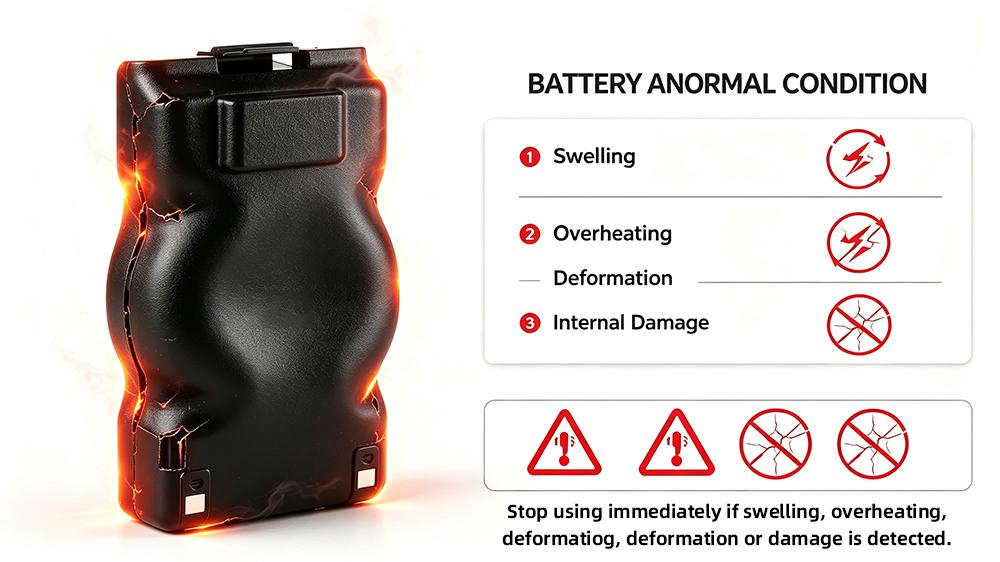
Metal contacts and connector pins are where electrical resistance builds up. Dirty, loose or corroded contacts generate heat during charging and can lead to erratic performance or premature failure. Make it a habit to periodically inspect the connector area and the housing surface: wipe contacts with a clean, dry cloth, make sure pins are straight and free of oxidation, and check the casing for cracks, deformation or swelling. If a pack shows any sign of swelling, overheating or physical damage, stop using it immediately and contact a qualified supplier.
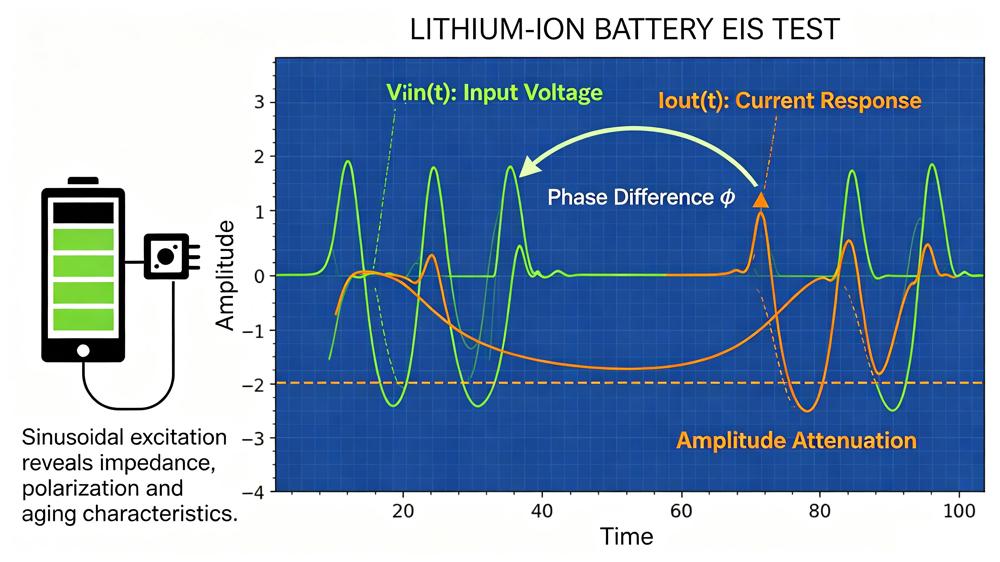
Not all chargers are created equal. An unqualified or mismatched charger may deliver the wrong voltage or charging profile, which can overcharge the cells and even damage the battery management system (BMS) that protects them. Always charge your pack with the charger specified by the manufacturer for that model, replace worn‑out chargers promptly, and avoid overnight charging on third‑party units without overcharge protection.
Every Enpowertec lithium battery pack is engineered with a high‑reliability BMS that guards against overcharge, over‑discharge, overcurrent and short‑circuit conditions — reducing the risk of misuse‑related damage and adding an extra layer of safety in the field.
Correct care, combined with dependable protection, means a longer battery life and a lower total cost of ownership. If you have questions about maintaining your batteries or need help selecting the right pack for your equipment, our technical team is ready to assist — contact Enpowertec for technical support and battery selection advice.

Enpower integrates R&D, production and quality testing in-house, supporting custom battery solutions for worldwide buyers.